

Erotic Beauties
Content in the porn tgp space, and content in the porn picture space.
22 thumbnail directories checked for dead links, re-checked monthly.
We followed outbound thumbnail links on all 22 to see how many still resolve and how fresh the galleries are. Ranked on dead-link share, posting pace, category breadth, and browsing ease.
Last updated: July 2026 · How we review →
Editorial Disclaimer: PornSurfer reviews and links to independent third-party adult websites. We do not host, upload, stream, or control their content. Website screenshots and censored thumbnails appear only for review and identification purposes. Links lead to official third-party websites, which may contain explicit material and require age verification. PornSurfer is intended only for adults aged 18 or older.
See how we evaluate Porn TGP Sites, what we check, and how to compare them. Our independent, hands-on review of this category is in progress and follows our public methodology.
TGP stands for Thumbnail Gallery Post: a web format built around a grid of preview thumbnails that link out to full photo sets or videos hosted elsewhere. This category rounds up the sites still running that classic model, letting visitors browse a huge volume of previews and click through to whatever catches their eye.
Content in the porn tgp space, and content in the porn picture space.

Content in the porn tgp space, and content in the porn aggregator space.

Content in the porn tgp space, content in the porn picture space, and content in the porn aggregator space.

Content in the porn tgp space, and content in the porn picture space.

Content in the porn tgp space, and content in the porn picture space.

Content in the porn tgp space, and content in the teen porn space.
Content in the porn tgp space, and content in the porn aggregator space.

Content in the porn tgp space, and content in the big tits porn space.

Content in the porn tgp space, and content in the big tits porn space.

Content in the porn tgp space, and content in the porn picture space.

Content in the porn tgp space, and content in the porn picture space.

Content in the porn tgp space, and content in the porn picture space.

Content in the porn tgp space, and content in the porn picture space.

Content in the porn tgp space, and content in the porn picture space.

Content in the porn aggregator space, and content in the porn tgp space.

Content in the porn tgp space.

Content in the porn tgp space.

Content in the double penetration space, content in the porn picture space, and content in the porn tgp space.

Content in the porn tgp space.

Content in the porn tgp space.
Content in the porn aggregator space, and content in the porn tgp space.

Content in the porn tgp space, content in the porn picture space, and content in the porn aggregator space.
Search previews and links pulled from dozens of tube sites in one searchable feed!
iXXX isn't a dedicated Arab site with a general tube attached, it's the other way around: a huge, general free tube site that just happens to offer an Arabic menu, one of dozens of language options.
iXXX Review
AlohaTube brands itself as a plain, general free porn tube. It is not the Arab-focused or voyeur-focused site its category placement might suggest.
Aloha Tube Voyeur Review
FapHouse Arab is a deep, actively-updated Arab tag tucked inside a massive multi-studio subscription network, not a stand-alone Arab site. Downloads and a named, registered billing company are real premium perks over a free tube.
FapHouse Mind Control Review
iWank Granny turns out to be one category, not a whole site. The real site is called iWank TV, a huge tube network where Granny is just one of roughly 300 categories, and both Granny and Mature content run deep.
iWank Granny ReviewJoin active discussion boards and threads to swap links and talk porn with real users!
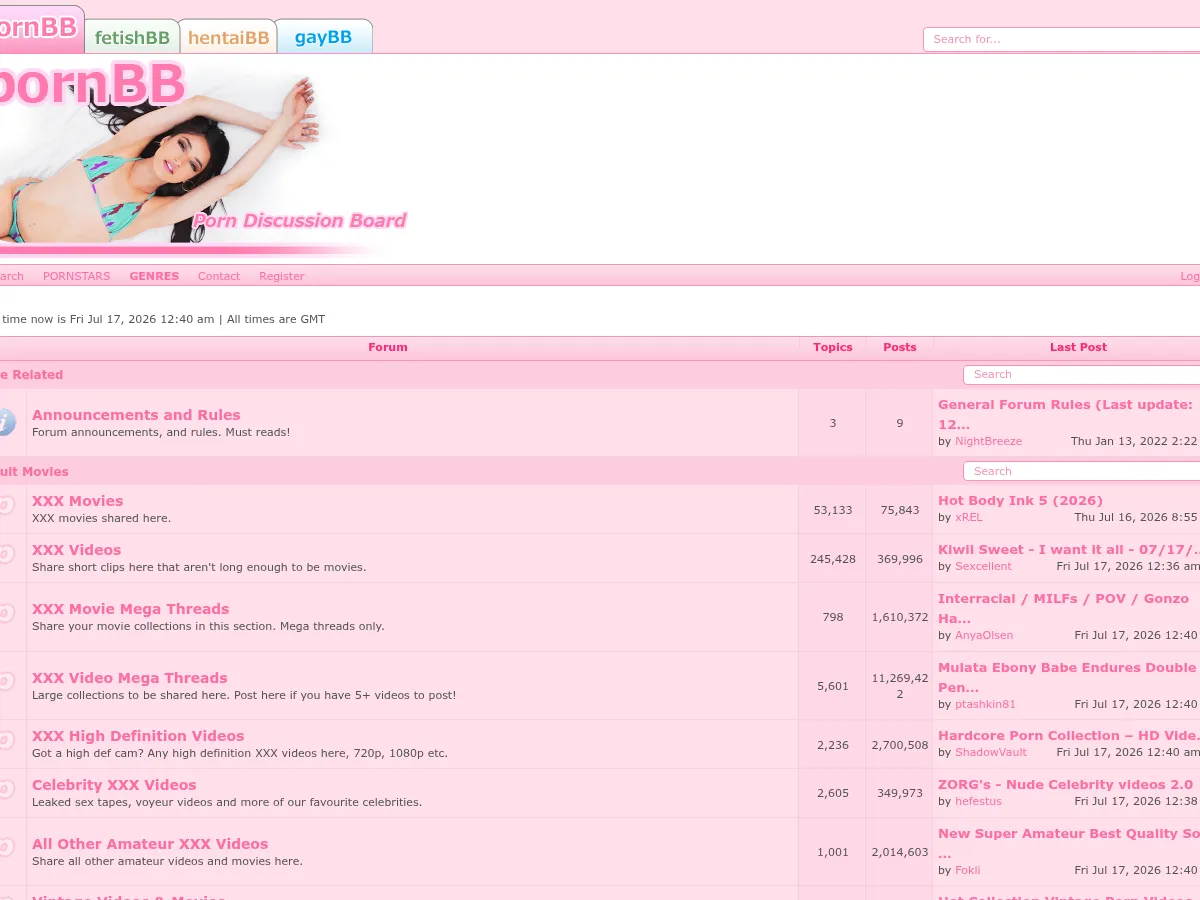
Content in the porn forum space.

Content in the porn forum space.

Content in the porn forum space, and content in the amateur porn space.
Content in the porn forum space, and content in the big tits porn space.
Follow branded studio and performer channels for consistent, ongoing adult video output!

Hijab Hookup isn't its own site anymore. It's a scripted taboo-fantasy series inside the TeamSkeet network, run by a real company called Paper Street Media LLC. The legal pages and prices are clear, but a cheap trial jumps to a $39.
Hijab Hookup Review
Content in the porn channel space, content in the casting porn space, and content in the amateur premium space.

Content in the porn channel space, content in the big tits porn space, and content in the glory hole porn space.

Content in the porn channel space, content in the pov porn space, and content in the amateur premium space.
Browse independent escort and agency listings organized by city, no studio content here!
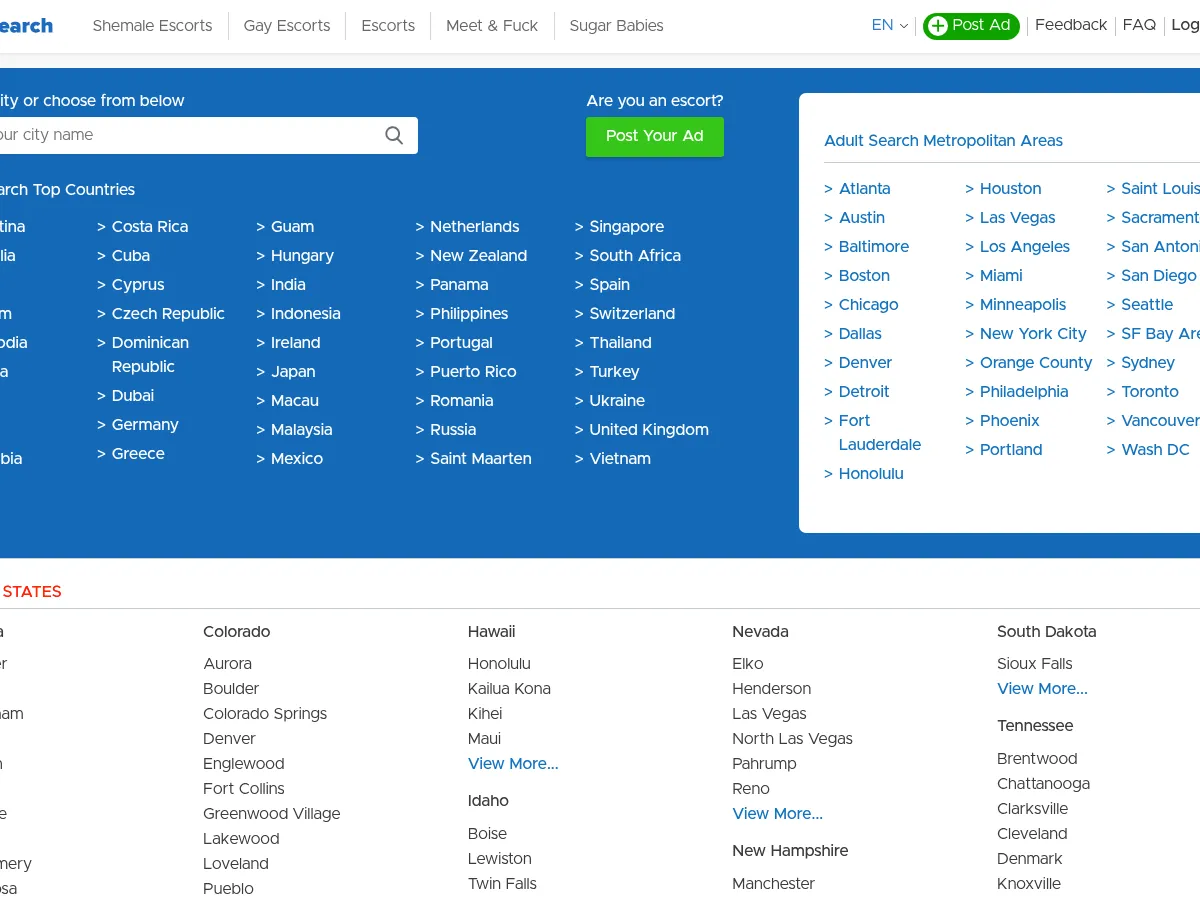
Content in the escort directory space, and content in the erotic massage space.
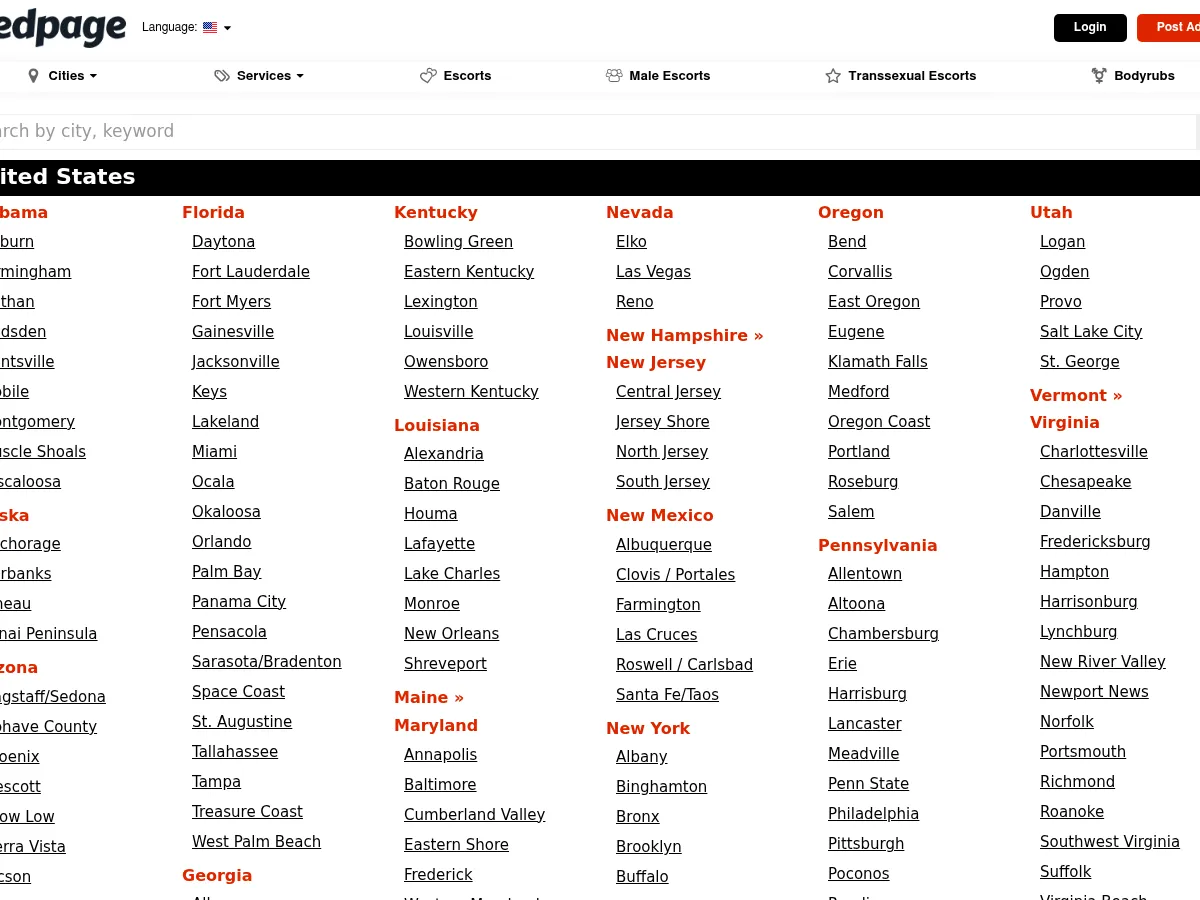
Content in the escort directory space.
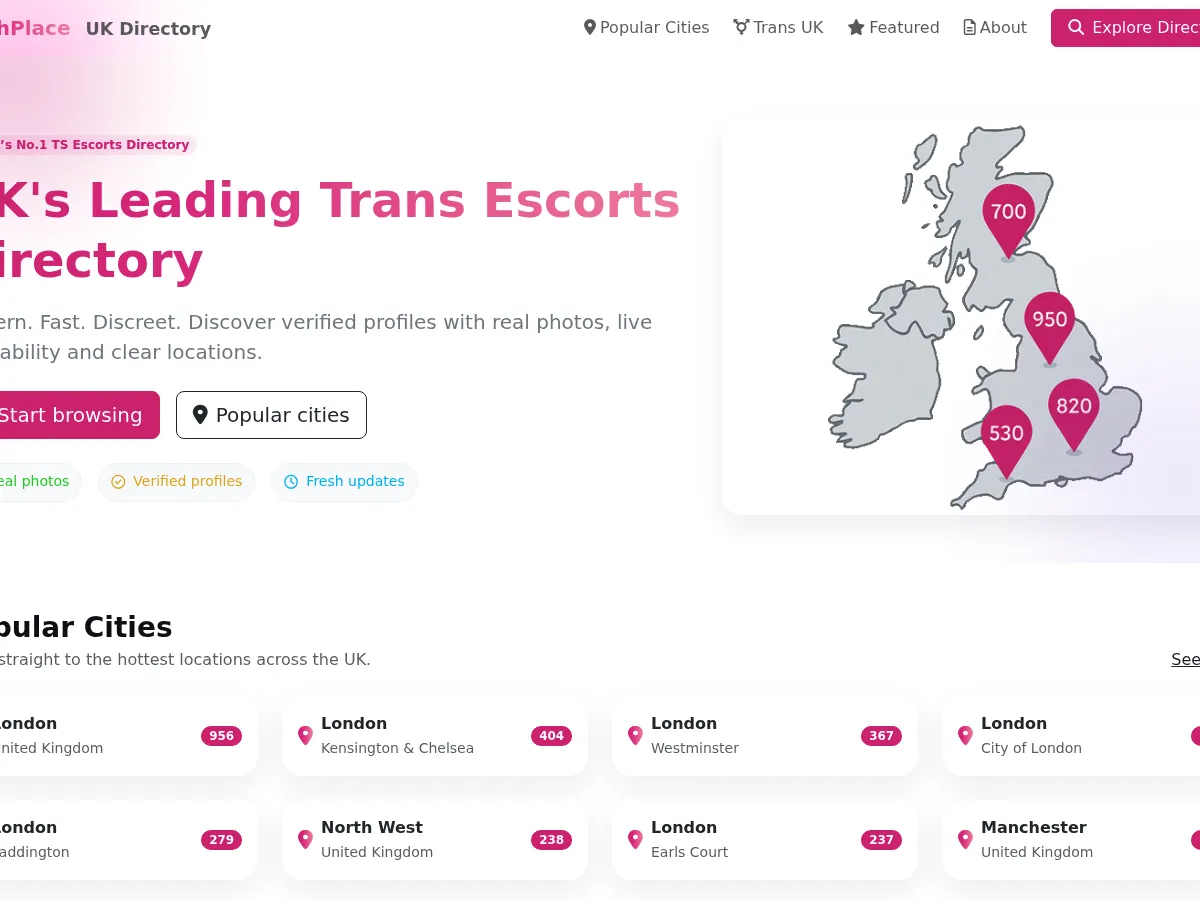
Content in the escort directory space.
Content in the escort directory space.
Look up any performer's full filmography, aliases, and career stats in one database!

Content in the pornstar directory space, and content in the pornstar space.

Content in the pornstar directory space, content in the pornstar space, and content in the porn forum space.

Content in the pornstar directory space, content in the big tits porn space, and content in the pornstar space.

Content in the pornstar directory space, content in the porn forum space, and content in the pornstar space.
170 categories total, each held to the same public methodology.