

Nutaku
Content in the porn game space, hand-drawn or traditionally animated hentai art and video, and content in the free sex game space.
65 interactive platforms downloaded and played, re-checked quarterly.
We played through all 65 ourselves, testing browser titles, installs, and VR builds for crashes and paywalls. Ranked on gameplay depth, graphics, unlock pricing, and update pace.
Last updated: July 2026 · How we review →
Editorial Disclaimer: PornSurfer reviews and links to independent third-party adult websites. We do not host, upload, stream, or control their content. Website screenshots and censored thumbnails appear only for review and identification purposes. Links lead to official third-party websites, which may contain explicit material and require age verification. PornSurfer is intended only for adults aged 18 or older.
See how we evaluate Porn Game Sites, what we check, and how to compare them. Our independent, hands-on review of this category is in progress and follows our public methodology.
Adult gaming spans everything from five-minute browser flash games to sprawling life-sim RPGs where explicit scenes are unlocked through choices, stats, and relationship-building. This category rounds up sites and platforms for finding, downloading, or playing sex games, from parody titles built on familiar characters to original stories with branching plots.
Content in the porn game space, hand-drawn or traditionally animated hentai art and video, and content in the free sex game space.

Content in the porn game space, hand-drawn or traditionally animated hentai art and video, and content in the free sex game space.

Content in the porn game space, and content in the free sex game space.

Content in the porn game space, content in the interactive porn space, and content in the pov porn space.

Content in the porn game space, AI-generated chat, images, and video built around custom adult characters, and generates custom AI hentai art and characters from a prompt or builder.

Content in the porn game space, content in the 3d porn space, and content in the vr porn space.

Content in the porn game space, and hand-drawn or traditionally animated hentai art and video.

Content in the porn game space, hand-drawn or traditionally animated hentai art and video, and content in the free sex game space.

Content in the porn game space, hand-drawn or traditionally animated hentai art and video, and content in the cartoon porn space.

Content in the porn game space, content in the cartoon porn space, and content in the free sex game space.

Content in the porn game space, and content in the cartoon porn space.

Content in the porn game space, hand-drawn or traditionally animated hentai art and video, and content in the cartoon porn space.

Content in the porn game space, and content in the cartoon porn space.

Content in the porn game space, hand-drawn or traditionally animated hentai art and video, and content in the cartoon porn space.

Content in the porn game space, content in the cartoon porn space, and content in the big tits porn space.

Content in the porn game space, hand-drawn or traditionally animated hentai art and video, and content in the free sex game space.

Content in the porn game space, hand-drawn or traditionally animated hentai art and video, and content in the porn comic space.

Content in the porn game space, content in the cartoon porn space, and content in the big tits porn space.

Girlvanic. com isn't a lesbian tube site. It's a marketing page for two 3D computer sex games made by Girlvanic Studios. One of them is called Girlvania: Summer Lust. This gets two stars.
Girlvania Summer Lust Review
Content in the porn game space, hand-drawn or traditionally animated hentai art and video, and content in the cartoon porn space.

Content in the porn game space, content in the 3d porn space, and content in the vr porn space.

Content in the porn game space, and hand-drawn or traditionally animated hentai art and video.

Content in the porn game space, and hand-drawn or traditionally animated hentai art and video.

Content in the porn game space, and content in the free sex game space.

Content in the porn game space, and content in the vr porn space.

Content in the porn game space, and content in the cartoon porn space.

Content in the porn game space, content in the cartoon porn space, and content in the interactive porn space.

Content in the porn game space, content in the cartoon porn space, and content in the interactive porn space.

Content in the porn game space, and content in the 3d porn space.

Content in the porn game space, content in the 3d porn space, and content in the hypno porn space.

Content in the porn game space, hand-drawn or traditionally animated hentai art and video, and content in the cartoon porn space.

Content in the porn game space, and content in the amateur porn space.

Content in the porn game space, AI-generated chat, images, and video built around custom adult characters, and AI chat built around adult conversation with a customizable character.

Content in the porn game space, and content in the betting space.
Content in the porn game space, and content in the free sex game space.

Content in the porn game space, and content in the free sex game space.

Content in the porn review space, content in the free sex game space, and content in the porn game space.

Content in the interactive porn space, content in the vr porn space, and content in the porn game space.

Content in the porn game space.

Content in the premium porn comic space, content in the premium hentai manga space, and content in the porn game space.

Content in the hentai manga space, content in the adult shopping space, and content in the porn game space.

AI-written erotic fiction generated from prompts or story settings, content in the porn game space, and content in the cartoon porn space.

Content in the premium cartoon porn space, content in the porn game space, and content in the 3d porn space.

Content in the porn game space.

Content in the free sex game space, and content in the porn game space.

Content in the free sex game space, and content in the porn game space.

Content in the porn game space, and hand-drawn or traditionally animated hentai art and video.

Content in the porn game space, and content in the taboo porn space.

Content in the porn game space.

Content in the free sex game space, content in the porn game space, and hand-drawn or traditionally animated hentai art and video.

Content in the porn game space.

Content in the porn game space, and content in the taboo porn space.

Content in the porn game space.

Content in the interactive porn space, and content in the porn game space.

Content in the porn game space, content in the vr porn space, and content in the interactive porn space.

Content in the porn game space.

Content in the interactive porn space, content in the porn game space, and content in the free sex game space.

Content in the porn game space.

Content in the porn game space.

Content in the shemale porn space, and content in the porn game space.

Content in the ar porn space, content in the vr porn space, and content in the porn game space.

AI-generated hentai artwork and characters, AI chat built around adult conversation with a customizable character, and AI-generated chat, images, and video built around custom adult characters.

Content in the porn game space.

Content in the porn game space.

Content in the porn game space.
Play visual novels, dating sims, and parody sex games free, no subscription needed!

Content in the free sex game space, content in the porn forum space, and hand-drawn or traditionally animated hentai art and video.

Content in the free sex game space.
Content in the free sex game space, hand-drawn or traditionally animated hentai art and video, and content in the porn comic space.

Content in the free sex game space, and hand-drawn or traditionally animated hentai art and video.
Strap on a headset and step inside 180 and 360-degree scenes shot just for VR!

Content in the vr porn space, content in the porn aggregator space, and content in the porn review space.

Content in the vr porn space, content in the porn aggregator space, and content in the pov porn space.

Content in the vr porn space, content in the ar porn space, and content in the porn aggregator space.

Content in the vr porn space.
Endless free HD clips from top studios and amateurs, streaming instantly with zero paywall in sight!
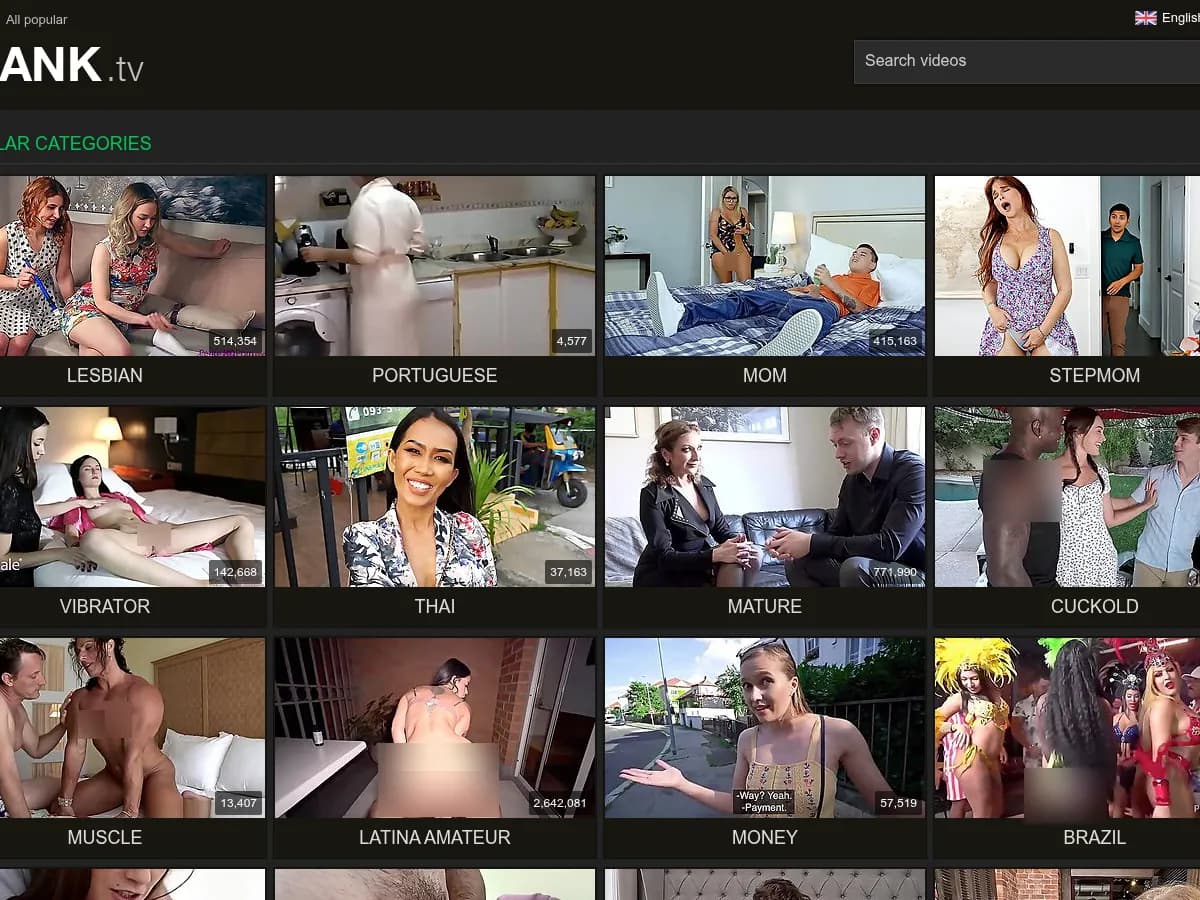
iWank Granny turns out to be one category, not a whole site. The real site is called iWank TV, a huge tube network where Granny is just one of roughly 300 categories, and both Granny and Mature content run deep.
iWank Granny Review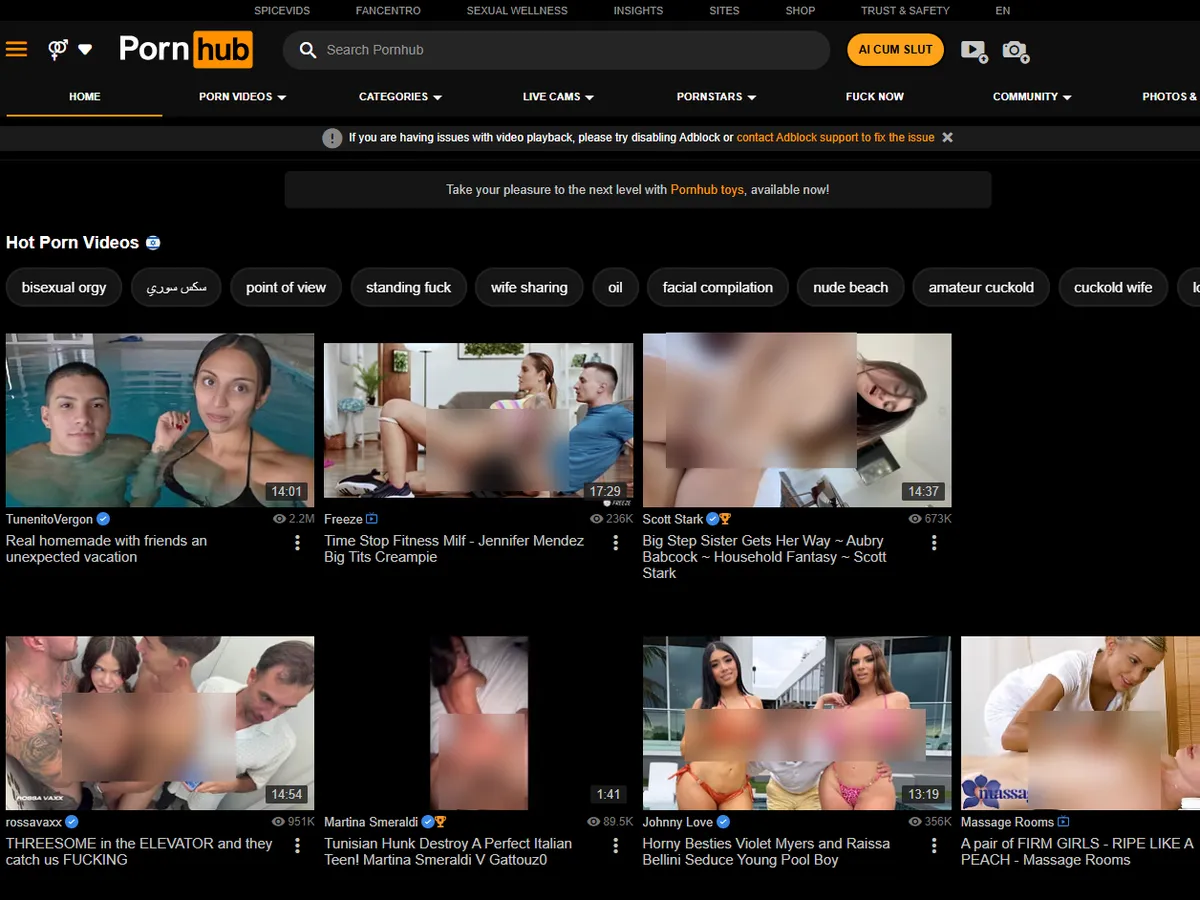
Content in the porn tube space.

Content in the porn tube space.

Content in the porn tube space.
Chat with AI girls and generate hyper-realistic or fantasy porn images and videos on demand!

OurDream AI is an AI companion platform: design one character, then chat with it, generate images and videos of it, and even take voice calls. Pricing is clearly published ($19. 99 a month, or $9.
OurDream AI Review
I found CreatePorn to be an AI generator that makes explicit images and short animated GIFs, paid for with credits called gems. It offers real style presets, tag-based customization, and a genuine filter that blocks prompts involving minors, real people, and celebrities.
CreatePorn Review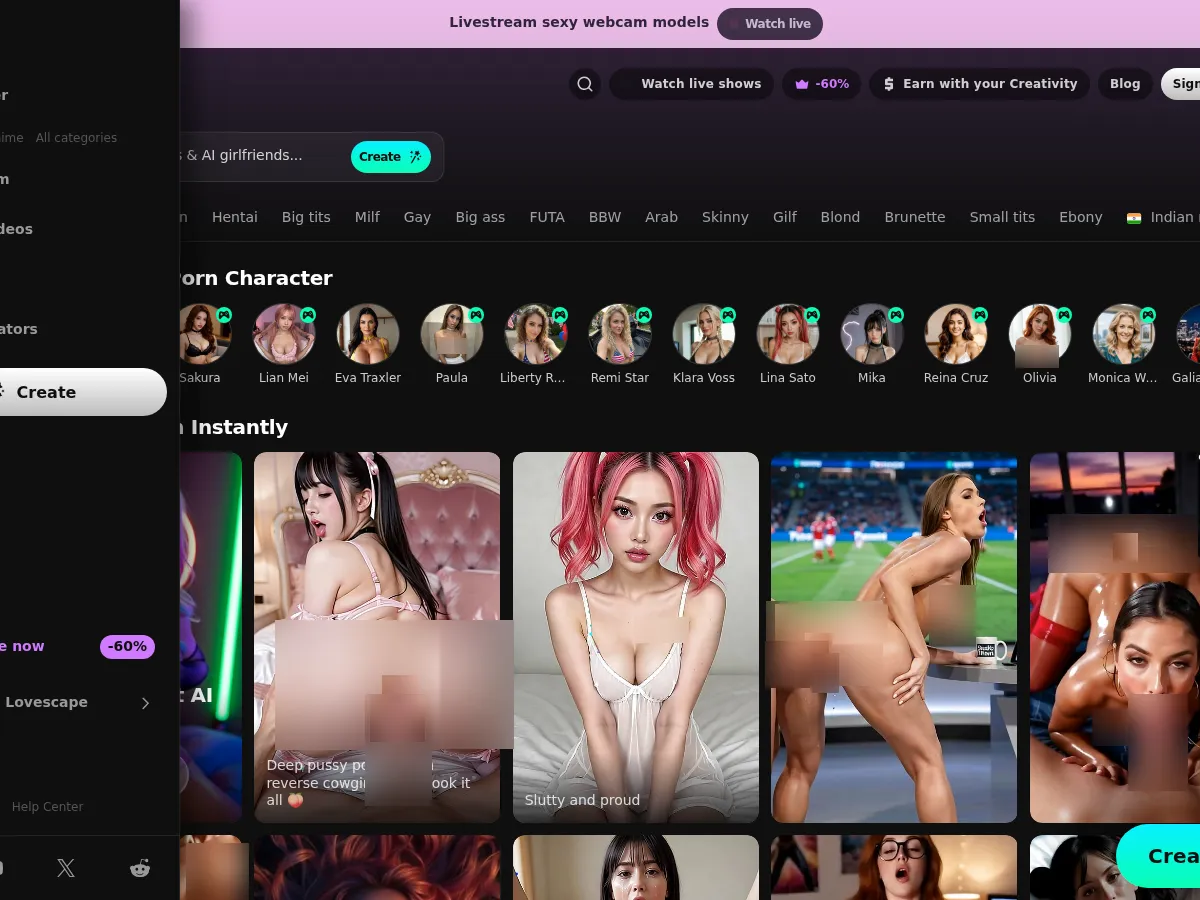
LoveScape is a paid AI generator for images, videos, and chat companions, not a video library. Its own tool backs up real customization, but you can't find a real price, a readable content policy, or a privacy policy anywhere on the site.
LoveScape Ebony Review
MyLovely AI is a general AI girlfriend generator with chat, photos, and video, where "Arab" is just one of six ethnicity options rather than a themed product.
MyLovely AI Arab ReviewFind every format built around Asian performers, from free tubes to cams and AI!

Content in the asian porn tube space, content in the full porn movies space, and content in the asian porn space.

Content in the asian porn space, content in the free porn download space, and content in the asian porn tube space.

Content in the asian porn tube space, and content in the asian porn space.
Content in the porn forum space, content in the asian porn tube space, and content in the asian porn space.
170 categories total, each held to the same public methodology.