

ManhwaRead
Content in the manhwa hentai space, content in the hentai manga space, and content in the porn comic space.
29 adult webtoon libraries read, re-checked monthly.
We read through all 29, tracking how fast new chapters land and how clean the translations are. Ranked on chapter speed, translation accuracy, scan resolution, and ad density.
Last updated: July 2026 · How we review →
Editorial Disclaimer: PornSurfer reviews and links to independent third-party adult websites. We do not host, upload, stream, or control their content. Website screenshots and censored thumbnails appear only for review and identification purposes. Links lead to official third-party websites, which may contain explicit material and require age verification. PornSurfer is intended only for adults aged 18 or older.
See how we evaluate Manhwa Hentai Sites, what we check, and how to compare them. Our independent, hands-on review of this category is in progress and follows our public methodology.
Manhwa hentai sites host explicit Korean webtoon-style comics - full-color, vertically scrolling stories with an art style distinct from Japanese hentai manga. This page reviews the sites with the best translated libraries, the most active new releases, and the most reliable chapter-by-chapter updates.
Content in the manhwa hentai space, content in the hentai manga space, and content in the porn comic space.

Content in the manhwa hentai space, content in the hentai streaming space, and hand-drawn or traditionally animated hentai art and video.

Content in the manhwa hentai space, content in the hentai manga space, and content in the porn comic space.

Content in the manhwa hentai space, content in the hentai manga space, and content in the porn comic space.

Content in the manhwa hentai space, content in the hentai manga space, and content in the porn comic space.

Content in the manhwa hentai space, content in the hentai manga space, and content in the porn comic space.

Content in the manhwa hentai space, content in the hentai manga space, and content in the porn comic space.

Content in the manhwa hentai space, content in the hentai manga space, and content in the porn comic space.

Content in the manhwa hentai space, content in the hentai manga space, and content in the premium hentai manga space.

Content in the manhwa hentai space, content in the hentai manga space, and content in the porn comic space.

Content in the manhwa hentai space, content in the hentai manga space, and content in the porn comic space.

Content in the manhwa hentai space, content in the hentai manga space, and content in the porn comic space.

Content in the manhwa hentai space, content in the hentai manga space, and content in the porn comic space.

Content in the manhwa hentai space, content in the hentai manga space, and content in the porn comic space.

Content in the manhwa hentai space, content in the hentai manga space, and content in the porn comic space.

Content in the manhwa hentai space, content in the hentai manga space, and content in the porn comic space.

Content in the manhwa hentai space, content in the hentai streaming space, and hand-drawn or traditionally animated hentai art and video.

Content in the manhwa hentai space, content in the hentai manga space, and content in the porn comic space.

Content in the manhwa hentai space, content in the hentai manga space, and content in the porn comic space.
Content in the manhwa hentai space, and content in the hentai manga space.

Content in the manhwa hentai space, content in the hentai manga space, and content in the porn comic space.

Content in the manhwa hentai space.

Content in the manhwa hentai space.

Content in the manhwa hentai space, content in the hentai manga space, and content in the porn comic space.

Content in the porn comic space, content in the hentai manga space, and content in the manhwa hentai space.

Content in the manhwa hentai space, and content in the hentai manga space.

Content in the manhwa hentai space, and content in the hentai manga space.

Content in the manhwa hentai space, and content in the hentai manga space.

Content in the manhwa hentai space, and content in the hentai manga space.
Browse endless hentai art, manga, and doujinshi galleries packed with every fantasy imaginable!

Hand-drawn or traditionally animated hentai art and video, content in the cartoon porn space, and content in the porn picture space.
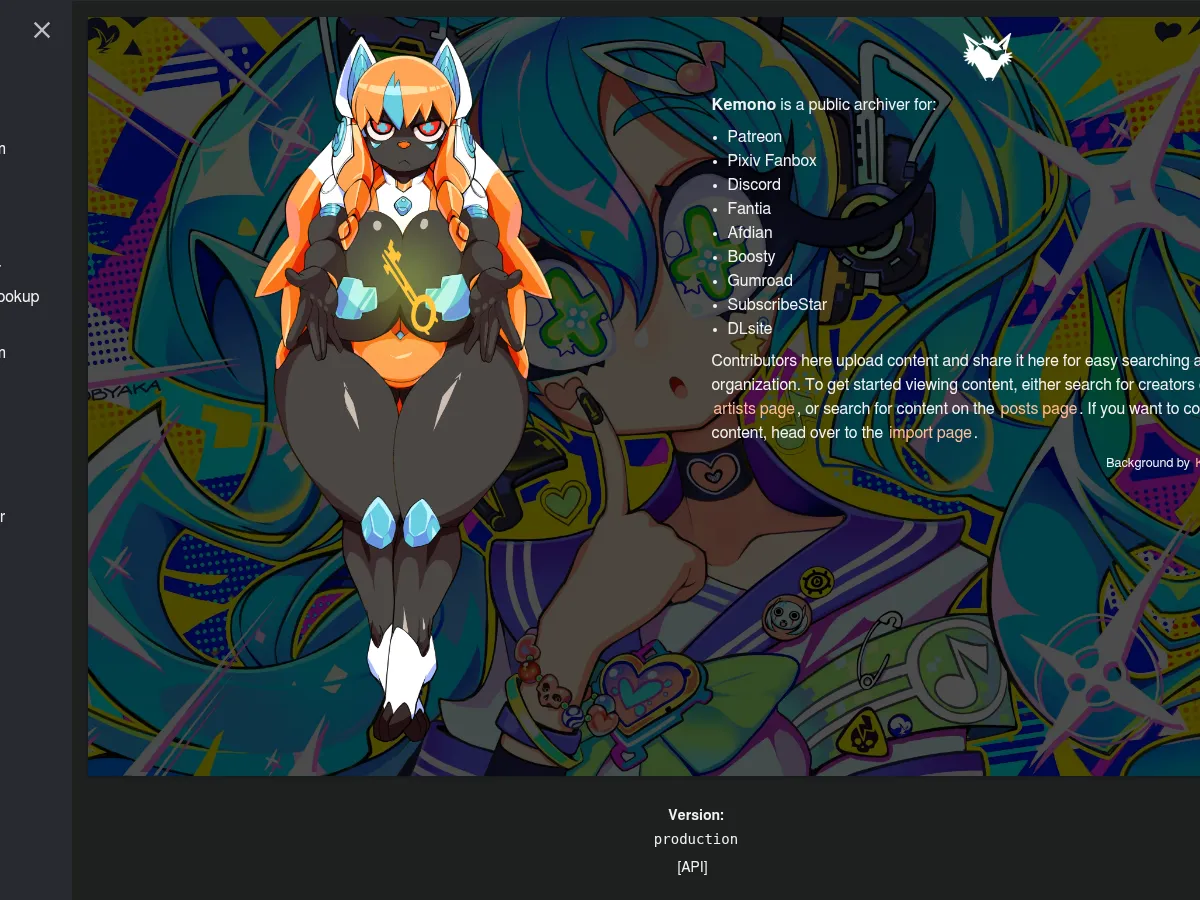
Hand-drawn or traditionally animated hentai art and video, and content in the porn comic space.
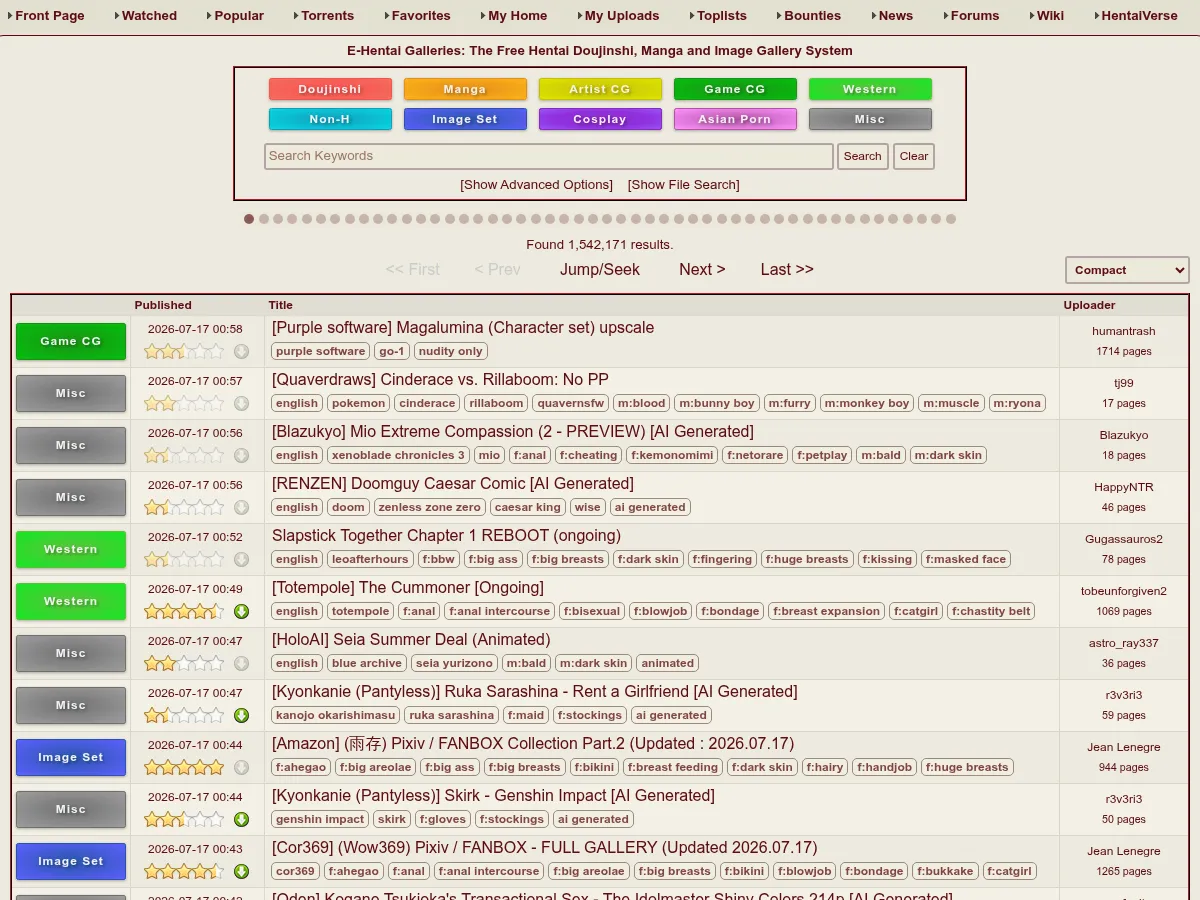
Hand-drawn or traditionally animated hentai art and video, content in the hentai manga space, and content in the porn comic space.
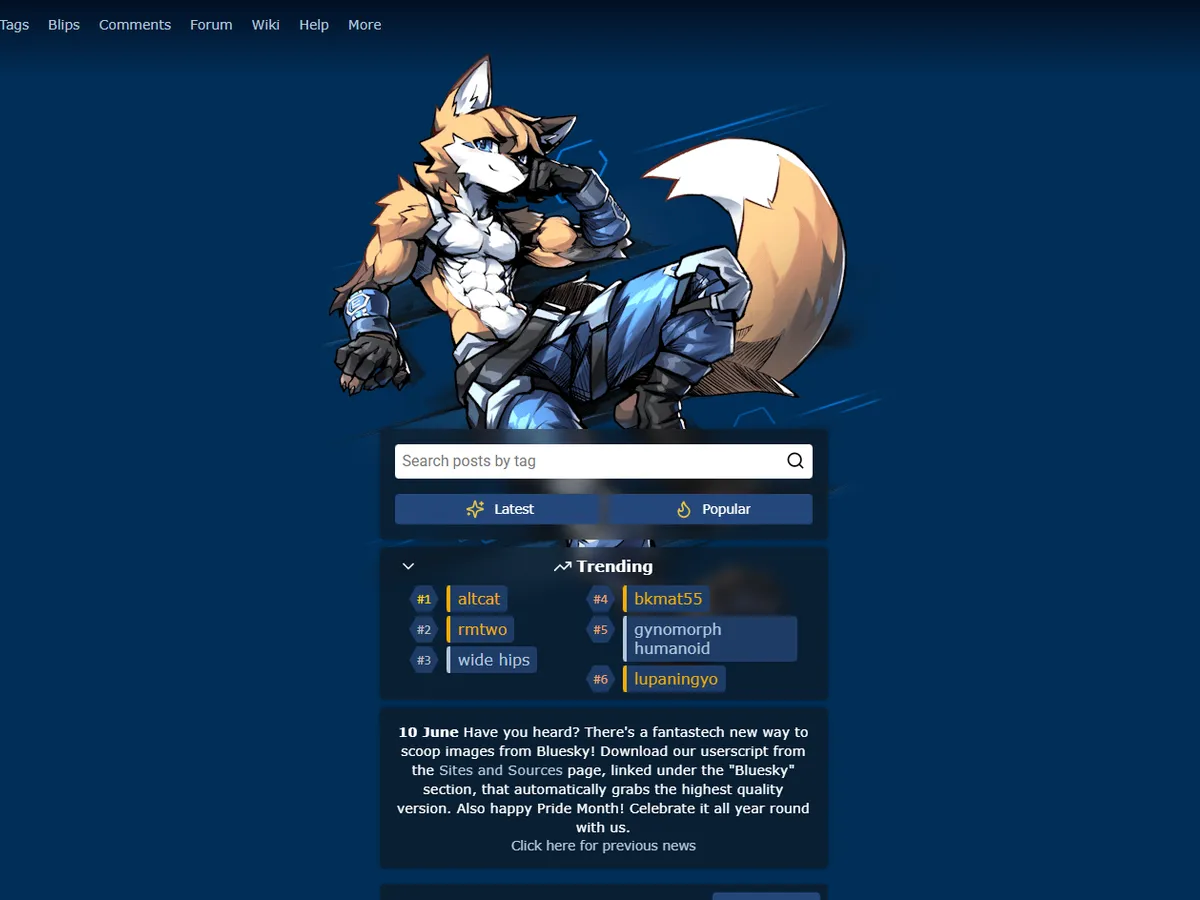
Hand-drawn or traditionally animated hentai art and video, content in the cartoon porn space, and content in the porn picture space.
Read explicit multi-panel comics starring parody and original characters in classic comic-book style!

HentaiXYuri isn't a video site. It's a free site for reading manga and comics, almost all of it yuri (girl-on-girl) hentai, and that focus is real.
HentaiXYuri Review
Content in the porn comic space, content in the hentai manga space, and content in the cartoon porn space.

Content in the porn comic space, and content in the hentai manga space.

Content in the porn comic space, and content in the cartoon porn space.
See your favorite sitcom, superhero, and game characters get the explicit animated treatment!

Content in the cartoon porn space, hand-drawn or traditionally animated hentai art and video, and content in the gif porn space.

Content in the cartoon porn space, content in the porn comic space, and content in the gif porn space.

Content in the cartoon porn space, and hand-drawn or traditionally animated hentai art and video.

Content in the cartoon porn space, content in the 3d porn space, and hand-drawn or traditionally animated hentai art and video.
Read licensed and fan-made hentai manga chapters tagged by kink, artist, and franchise!
HentaiXYuri isn't a video site. It's a free site for reading manga and comics, almost all of it yuri (girl-on-girl) hentai, and that focus is real.
HentaiXYuri Review
Content in the hentai manga space, and content in the porn comic space.

Content in the hentai manga space, and content in the porn comic space.

Content in the hentai manga space, and content in the porn comic space.
Stream full episodes of licensed and fan-subbed hentai anime, no manga required!

Content in the hentai streaming space.

Content in the hentai streaming space.

Content in the cartoon porn space, content in the gif porn space, and content in the hentai streaming space.

Content in the hentai streaming space.
170 categories total, each held to the same public methodology.