

Bukkake.to
Content in the facial cumshot porn space, content in the free porn download space, and content in the gangbang porn space.
10 sites browsed across every format, re-checked monthly.
We went through all 10, spanning tubes, premium subscriptions, cams, and AI content, checking performer counts. Ranked on content volume, ad load, video quality, and upload pace.
Last updated: July 2026 · How we review →
Editorial Disclaimer: PornSurfer reviews and links to independent third-party adult websites. We do not host, upload, stream, or control their content. Website screenshots and censored thumbnails appear only for review and identification purposes. Links lead to official third-party websites, which may contain explicit material and require age verification. PornSurfer is intended only for adults aged 18 or older.
See how we evaluate Gangbang Porn Sites, what we check, and how to compare them. Our independent, hands-on review of this category is in progress and follows our public methodology.
Gangbang sites specialize in scenes featuring one performer with multiple partners at once, often three or more, shot as either a chaotic free-for-all or a more choreographed rotation. Expect everything from amateur party-style clips to elaborately produced studio scenes built entirely around the numbers.
Content in the facial cumshot porn space, content in the free porn download space, and content in the gangbang porn space.

Content in the czech porn space, content in the gangbang porn space, and content in the premium gangbang porn space.

Content in the czech porn space, content in the gangbang porn space, and content in the premium gangbang porn space.

Content in the czech porn space, and content in the gangbang porn space.

Content in the czech porn space, and content in the gangbang porn space.

Content in the taboo porn premium space, content in the threesome porn space, and content in the gangbang porn space.

Content in the german porn space, and content in the gangbang porn space.

Content in the gangbang porn space, content in the premium extreme porn space, and content in the anal porn premium space.

Content in the premium porn comic space, content in the cartoon porn space, and content in the gangbang porn space.

Content in the gangbang porn space, and content in the interracial porn space.
Premium Gangbang Porn Sites sites we track on PornSurfer, reviewed against our public methodology.

Content in the premium gangbang porn space, and content in the premium creampie porn space.

Content in the premium gangbang porn space, and content in the teen porn premium space.

Content in the premium gangbang porn space.

Content in the premium gangbang porn space.
Indulge in forbidden step-family and secret-affair roleplay, all performed by consenting adults!
Content in the taboo porn space, content in the mature porn space, and content in the porn tube space.
Content in the taboo porn space, and content in the porn tube space.
Content in the taboo porn space, and content in the porn tube space.
Content in the taboo porn space, and content in the porn tube space.
Push past mainstream limits with intense fetish and rough hardcore content, clearly labeled!

Fister Twister is a fisting-focused lesbian tube site with well-organized browsing and fast, solid legal basics. It's not actually free, though: only trailers play without an account, and the checkout prices don't match what the video pages promise.
Fister Twister Review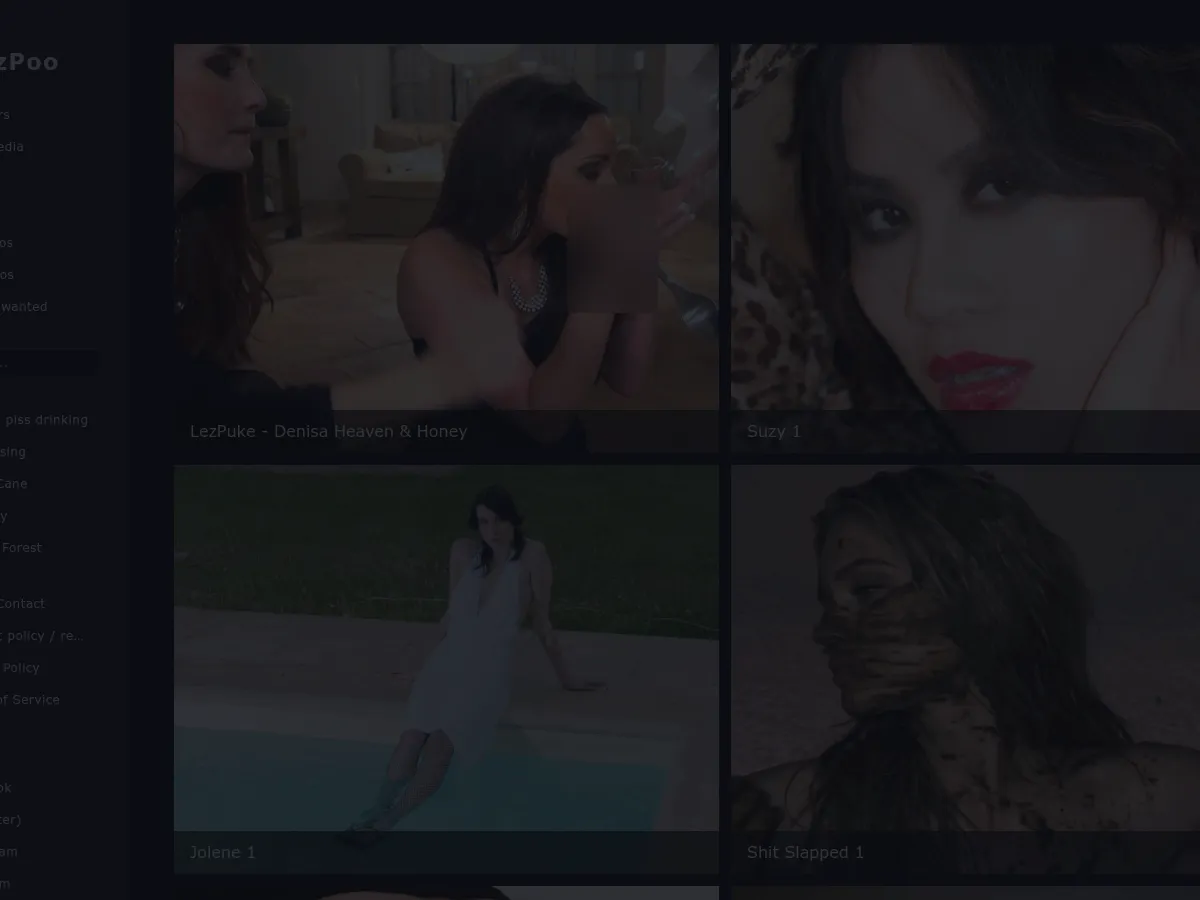
LezPoo brands itself around "lesbian" content, but what's really on the site is scat, vomit, and watersports fetish material performed by women.
LezPoo Review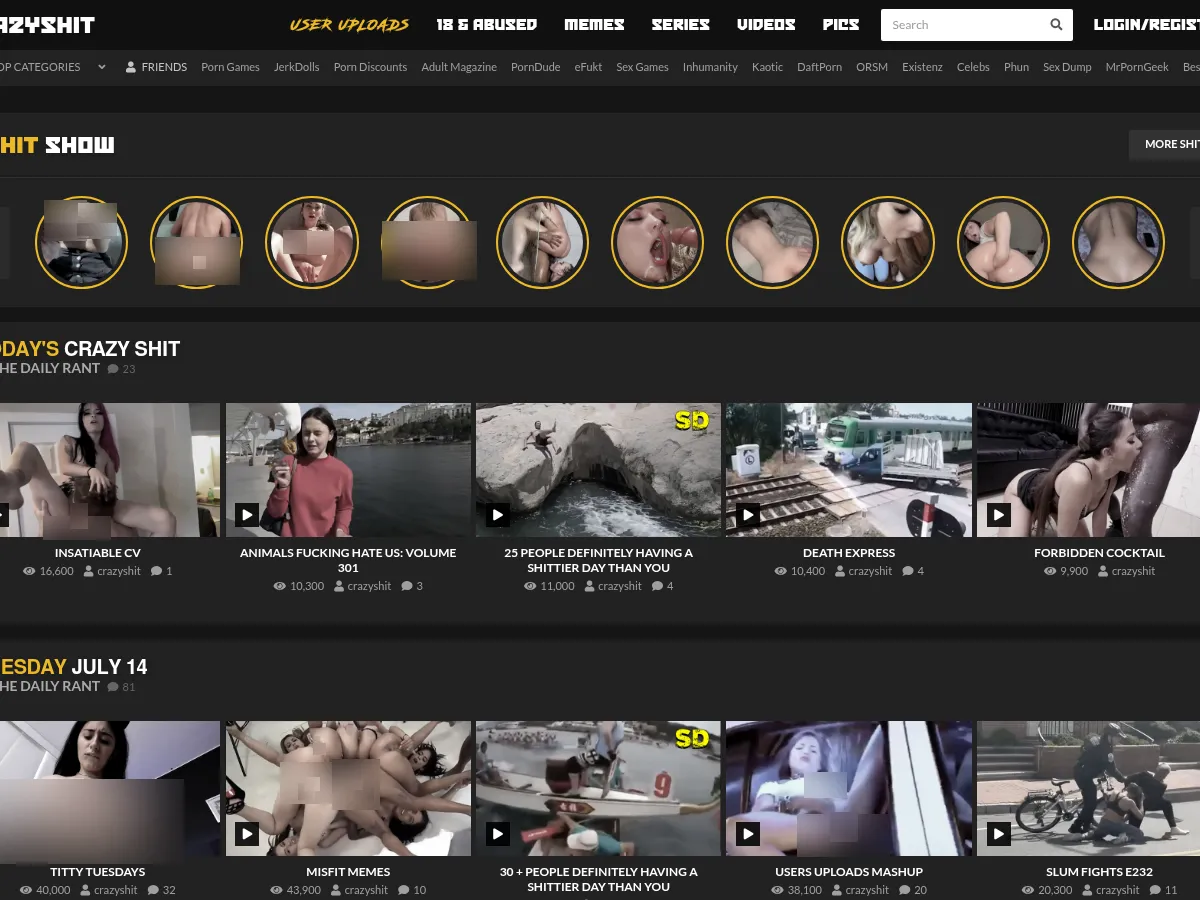
Content in the extreme porn space, and content in the funny porn space.
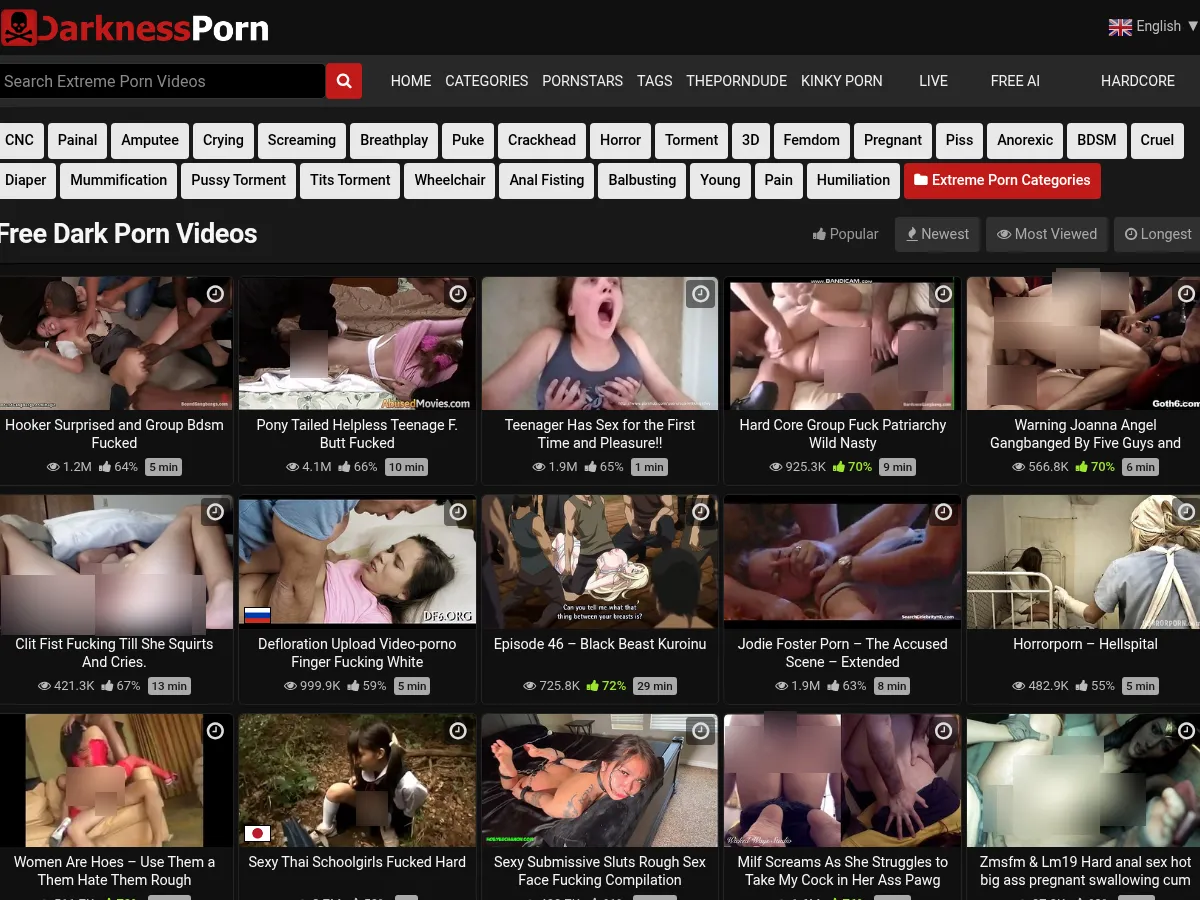
Content in the extreme porn space.
Watch fake auditions turn into hardcore scenes as hopefuls do anything for the part!

Content in the casting porn space, and content in the amateur premium space.
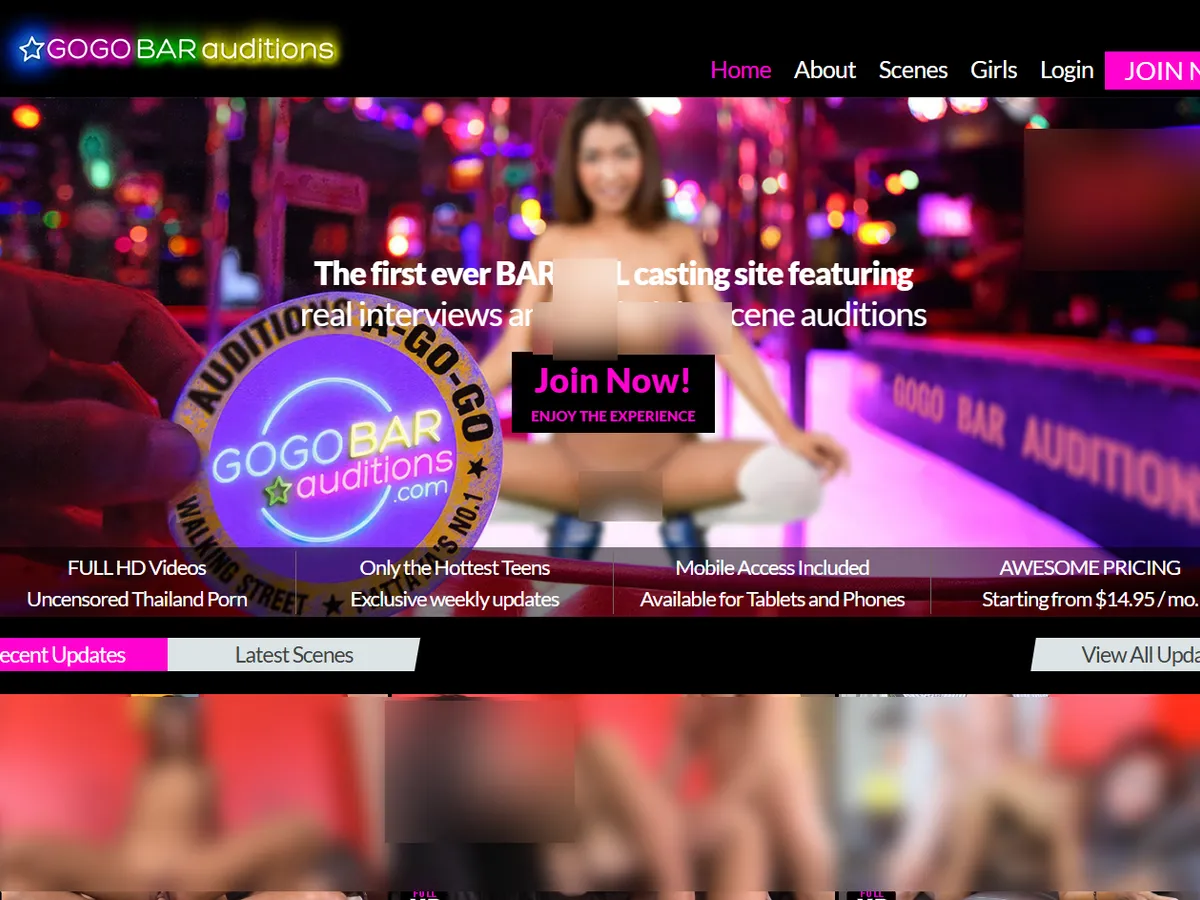
Content in the casting porn space, content in the thai porn space, and content in the amateur premium space.

Content in the casting porn space, and content in the amateur premium space.
Content in the casting porn space, and content in the amateur premium space.
Obsess over sole close-ups, footjobs, and sneaker play built for foot fetish fans!

Lesbify is a genuinely free lesbian tube site with real range: 64 categories, from MILF and teen content to strap-on and scissoring, and it loads fast.
Lesbify Teacher Review
Content in the feet porn space, and content in the fetish porn tube space.

Content in the feet porn space, and content in the fetish porn tube space.

Content in the feet porn space, and content in the porn picture space.
Sort by bust size first and get natural, enhanced, and DD-plus performers in every scene!

Content in the blowjob porn space, content in the creampie porn space, and content in the full porn movies space.
Content in the big tits porn space, and content in the porn aggregator space.

Content in the big tits porn space.

Content in the big tits porn space.
170 categories total, each held to the same public methodology.